Living Independently at Home: A Guide to In-Home Aged Care Support in Australia
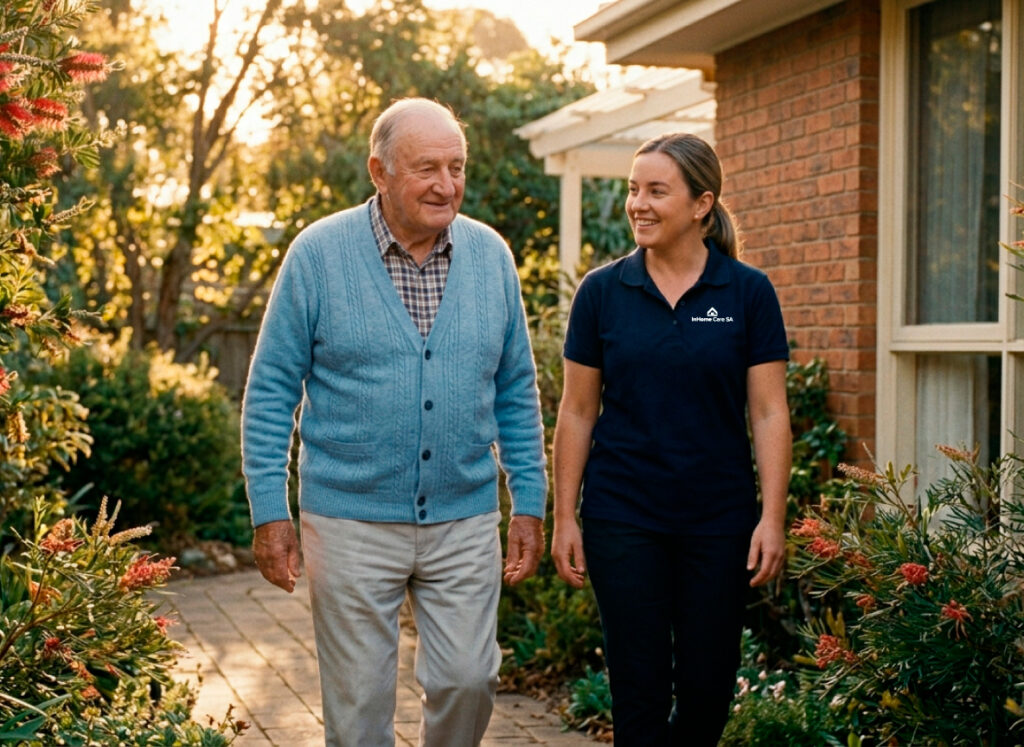
For many older Australians, home represents comfort, independence, and connection to community. The familiar surroundings, routines, and memories built over a lifetime often make the idea of leaving home difficult.
The good news is that for many people, moving into residential care is not the only option. With the right support, it is increasingly possible to remain living safely and comfortably at home.
Australia’s aged care system recognises the importance of helping older people maintain their independence for as long as possible. Through government-supported programs available through My Aged Care, older Australians can access a range of services designed to support daily living while remaining in their own home.
Support that adapts to your needs
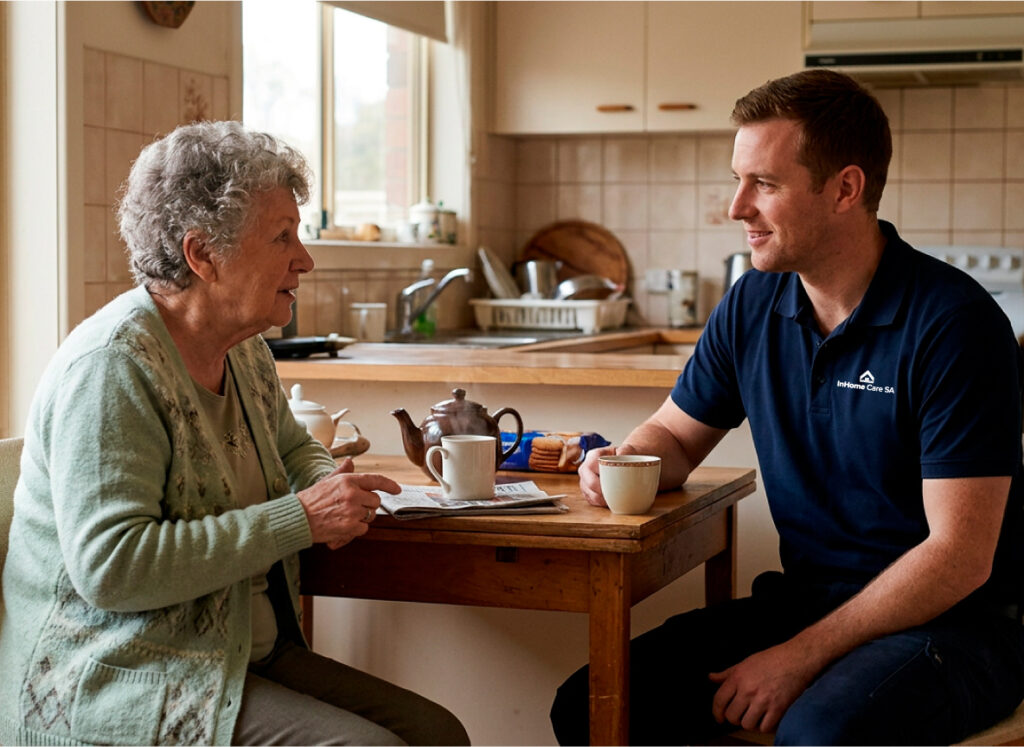
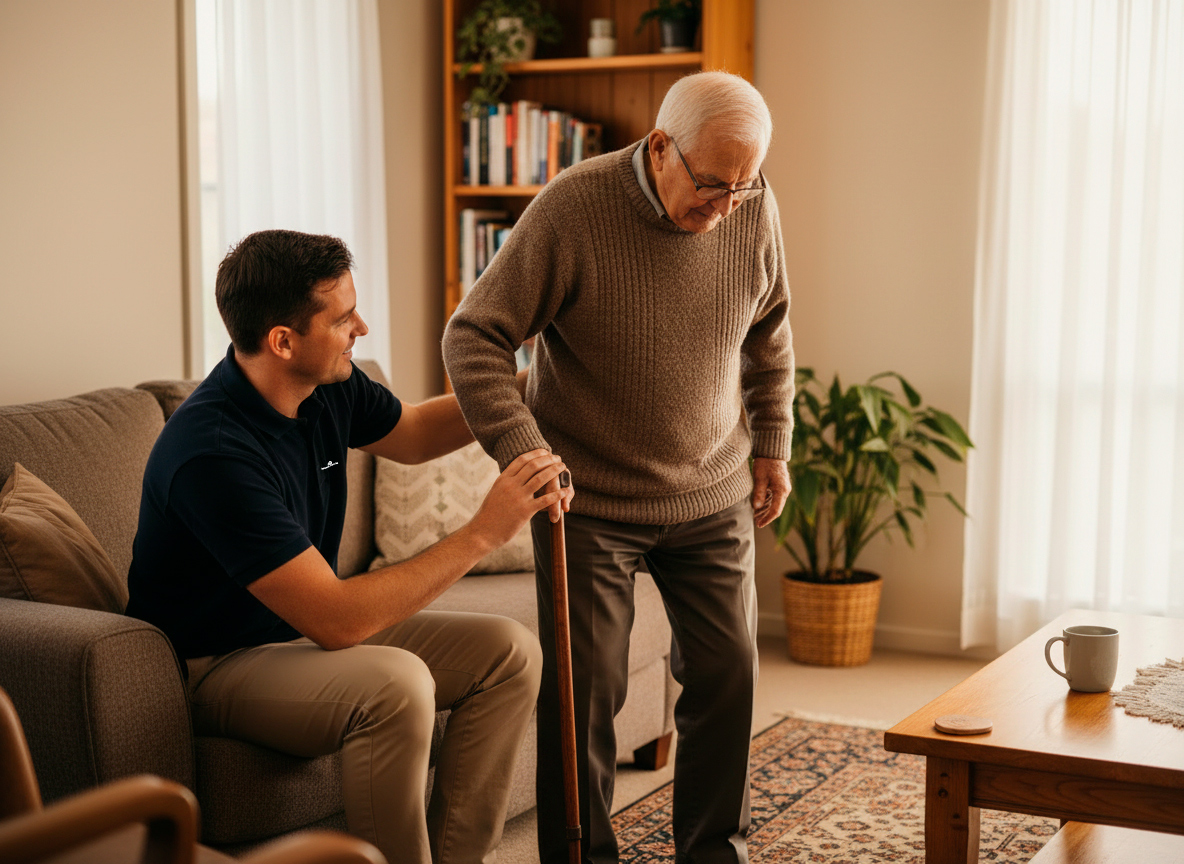
In-home care services are designed to assist with everyday tasks that may become more difficult with age. These supports can include help with household duties, personal care, preparing meals, transportation to appointments, or assistance with mobility and exercise.
Importantly, support is flexible and can be tailored to the individual. Some people may only need occasional help with cleaning or shopping, while others may require more regular assistance with personal care or health-related support. The aim is to help older Australians continue living safely and comfortably in their own homes.
Government-supported home care programs
Australia offers several programs that help people access in-home support. These are generally accessed through My Aged Care, the national entry point for aged care services. Two of the most common programs include:
Commonwealth Home Support Programme (CHSP) This program provides entry-level support for people who need a small amount of help to continue living independently. Services might include domestic assistance, social support, transport, or respite care.
Home Care Packages (HCP) For people with more complex care needs, Home Care Packages provide a higher level of coordinated support. A package allows individuals to receive a range of services that may include personal care, nursing, allied health support, or home modifications. These programs are designed to place the person receiving care at the centre of decisions about the services they receive.
Independence, dignity, and familiarity
One of the key advantages of receiving care at home is the ability to maintain familiar routines and stay connected to family, friends, and community networks. Many people find that remaining in their own home helps support emotional wellbeing, confidence, and a continued sense of independence.
Receiving care at home also allows support to be delivered in a way that respects personal preferences, cultural background, and lifestyle choices.
Taking the first step
For older Australians considering support at home, the first step is usually to contact My Aged Care and arrange an assessment. This assessment helps determine what type of support may be appropriate and which programs a person may be eligible for. From there, individuals can choose approved aged care providers who deliver services suited to their needs and preferences.
As Australia’s population continues to age, in-home care is playing an increasingly important role in helping older Australians live safely, independently, and with dignity in the place they know best, their own home.