Home Is Where Care Belongs.
The Rise of In-Home Support for
Older Australians
As more Australians choose to age in place, flexible in-home care services are reshaping what it means to grow older, bringing personalised support to the place that feels most familiar, our own home.
As Australia’s population continues to age, the way we approach aged care is evolving. Increasingly, older Australians are choosing to remain in their homes for as long as possible, a shift that reflects both personal preference and the growing availability of support services designed to meet people where they are.
This trend isn’t simply about convenience. For many, staying at home represents the ability to preserve independence, maintain a sense of control, and remain connected to the community.
In-home care services play a central role in making this possible. Delivered by a mix of government subsidised programs and private providers, these services offer tailored support ranging from personal care and social support to clinical nursing and allied health.
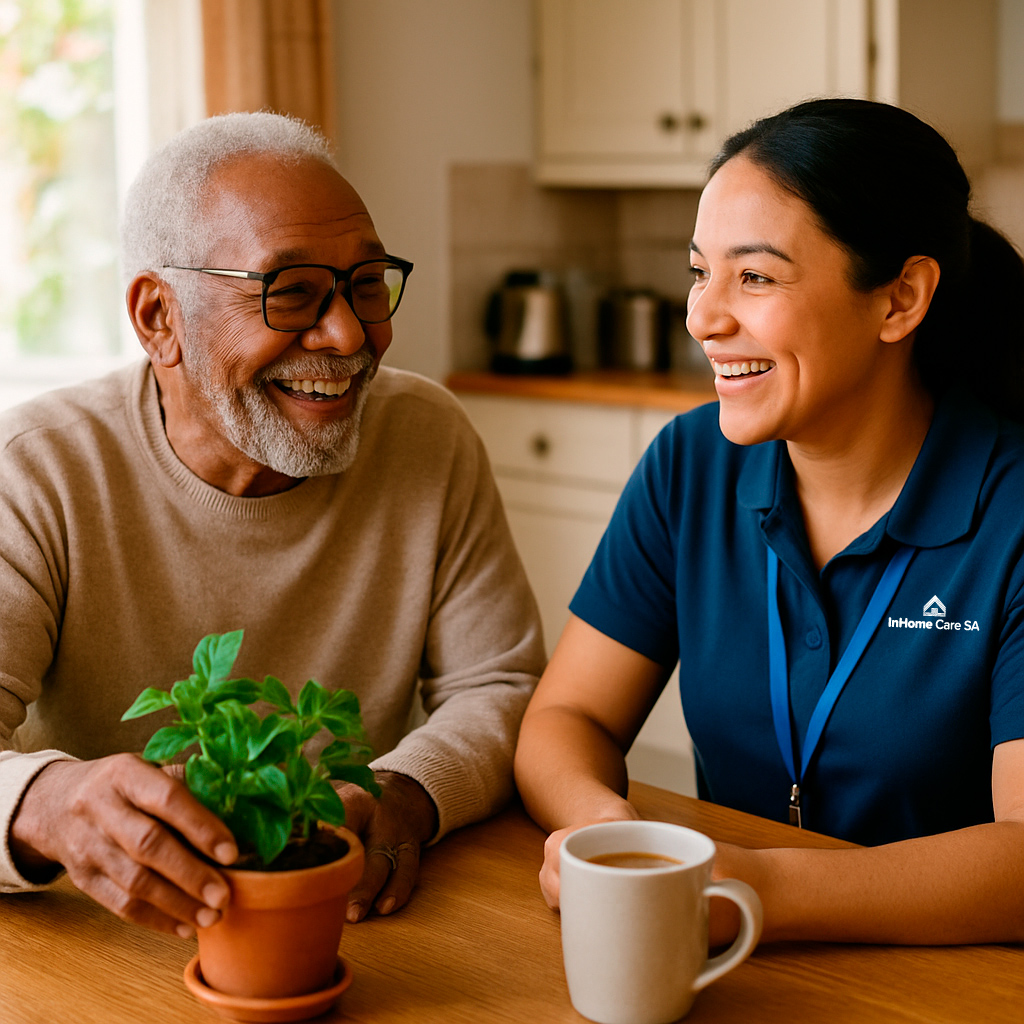
Essentially, they allow individuals to remain in familiar surroundings while receiving care that respects their routines, preferences, and cultural identity.
The emotional and psychological benefits of remaining at home are well documented. Familiar environments can provide stability and comfort, especially for people living with dementia or chronic illness.
Reduced stress, better sleep, and improved mental wellbeing are among the commonly reported outcomes for individuals receiving care in their own homes.
In-home care also helps families and informal carers manage the complex responsibilities of caregiving. By sharing the load with trained professionals, carers are less likely to experience burnout and more likely to sustain their caregiving role in the long term.
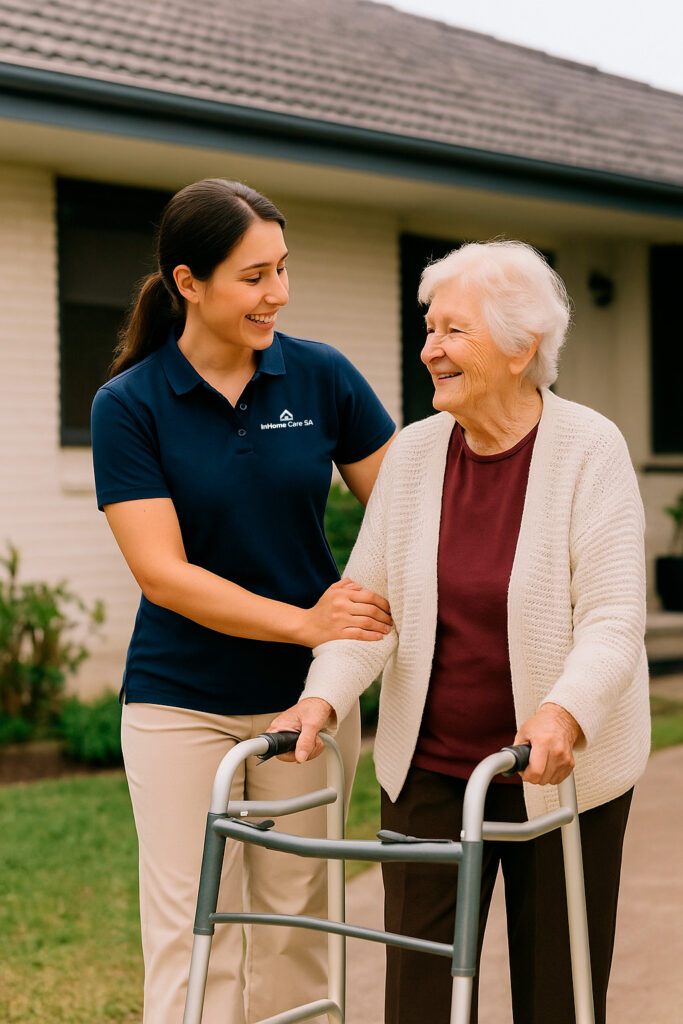
Flexible care arrangements are key. Support can range from occasional visits for household help to regular assistance with medication, mobility, or personal care.
Many providers also offer respite care, enabling family carers to take necessary breaks while ensuring continuity of care for their loved ones.
Government initiatives such as the Support at Home Packages program have made in-home care more accessible to older Australians, with demand for these services steadily increasing.
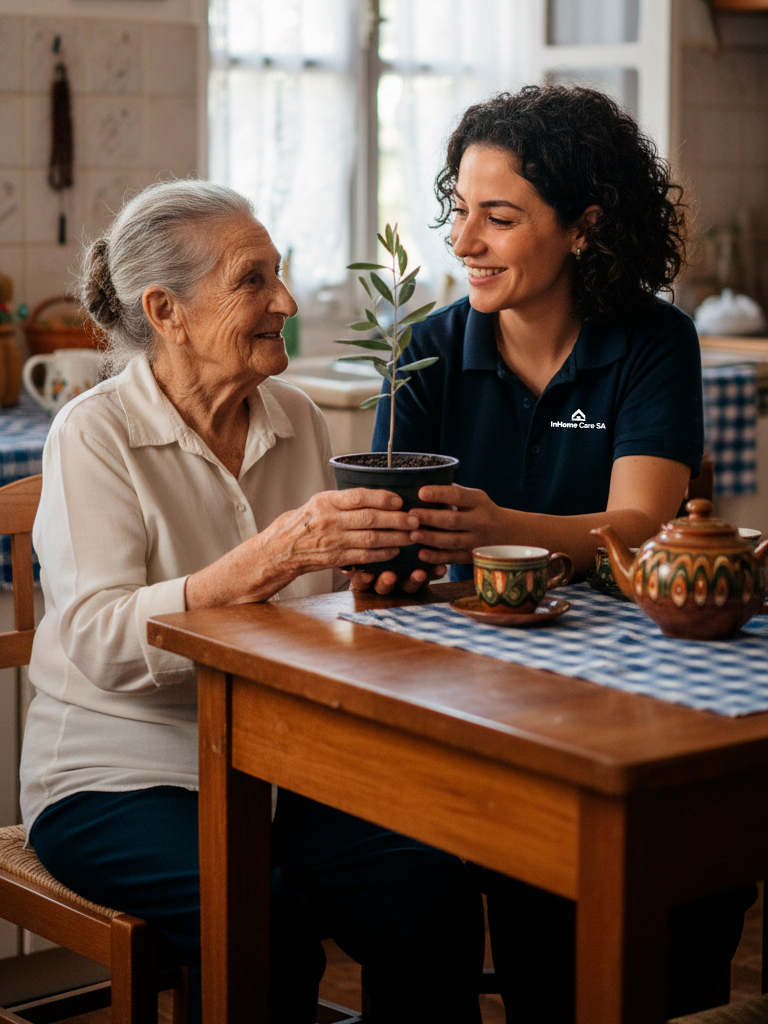
At the same time, providers are adapting to support diverse needs, including language and cultural requirements, LGBTIQ+ inclusion, and specialised support for people with complex health conditions.
Staying at home doesn’t mean going without—it means receiving the right care, in the right place, at the right time. And for many Australians, that place is the home they’ve built a life in.
As the sector continues to evolve, in-home care will remain a critical pillar of aged care in Australia, one that honours personal choice, supports healthy ageing, and keeps individuals connected to the people and places that matter most.
Because for many, home isn’t just where the heart is. It’s where care belongs.
For more information about ageing in place and available care options, visit www.myagedcare.gov.au